The earliest memory that shaped Enamul Karim Nirjhar is the sound of war. As a small boy in Dinajpur during 1971, he lay inside trenches dug around the family home while explosions shook the world above him. The Liberation War burned down their house, displaced families, and exposed him to danger long before he could understand it. Growing up between a Christian cemetery on one side and a Muslim graveyard on the other, he encountered the coexistence of different identities from an early age. Running barefoot, searching for invisible borders, he absorbed the idea that freedom is fragile, sacred, and must be earned with responsibility.
Curiosity, Rebellion, and Childhood Discoveries
Curiosity governed his early years. When he contracted chicken pox after joining school, he asked his father whether studying caused illness. His father humored him, and he stayed away from school for two years. In that unstructured freedom, he learned that creativity begins when the mind is open. After the war came devastating floods that shaped his family’s resilience. He drew, questioned, and built an inner world powered by imagination.
School, Politics, and the Emergence of an Artist
At Dinajpur Zilla School, he earned a scholarship and gave the money to his father, proud of contributing to the household. Politics drew him in; art kept him rooted. His academic performance led him to Rajshahi Cadet College, where discipline blended with creativity.
Later at Rajshahi College, his artistic instincts blossomed. His poems appeared in Dhaka newspapers before he had ever seen the city. He performed in theatre, painted exhibitions, joined children’s organizations, and lived in pursuit of expression.
Medical college came next, driven by his father’s expectations. Yet even there, cultural work overshadowed academics. He eventually walked away, knowing he needed a life where creativity and structure could coexist. That realization led him to BUET and to architecture.
Dhaka, Disillusionment, and a Guiding Mentor
Dhaka did not greet him with the creative revolution he imagined. The city felt crowded with ambition, competition, and material urgency. In this overwhelming landscape, poet-architect Rabiul Hussain became an anchor.

At BUET, his world expanded quickly. He studied architecture, photographed with his Yashica camera, designed graphics, edited the satire magazine Unmad, and stepped into television. In 1988, when many of BTV’s regular magazine hosts were away, he took the stage as the host of the show Joratali. His presence was immediate and refreshing – youthful, confident, and distinctly original.
Dreamy Young Days
The days in medical college were full of activities for Ar Nirjhar. He did everything he wanted to do—music, dramas, and theatre were all on the list. Playing the mouth organ while strumming the guitar was one of the favorite pastimes of the future architect. Those were youthful days, alive with dreams and melodies that linger still.
The Restaurant Years and the Rise of a Designer
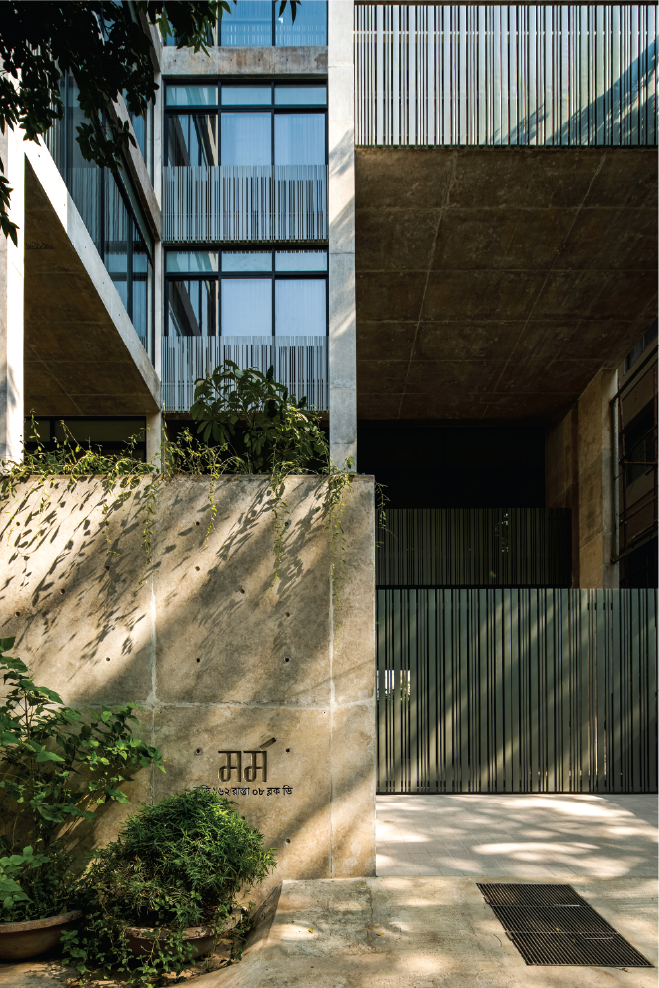
His architectural journey began almost unexpectedly, through restaurant interiors. From the mid-1990s to 2005, he designed a series of restaurants that transformed hospitality design in Bangladesh. White Castle in Banani was an early milestone, followed by Bukhara, Asparagus in Gulshan, Santoor, Voot, Bonanza, and Hotel Agrabad in Chattogram. His work combined cultural references, functional clarity, and emotional resonance.
When he travelled to Hampshire in the United Kingdom to design the restaurant We, he carried a piece of his mother’s torn quilt. That simple object sparked a design narrative grounded in memory. The project blended Bangladeshi katha textures and traditional wood motifs with Western materials and aesthetics. This experience led to the documentary The Shadow Gap, based on an architectural detail he introduced in 2000.
During these years, many of the labourers he worked with became contractors, and clients became friends. His philosophy of integrity uplifted people around him and built long-term relationships.
Building SYSTEM architects and a Language of Space
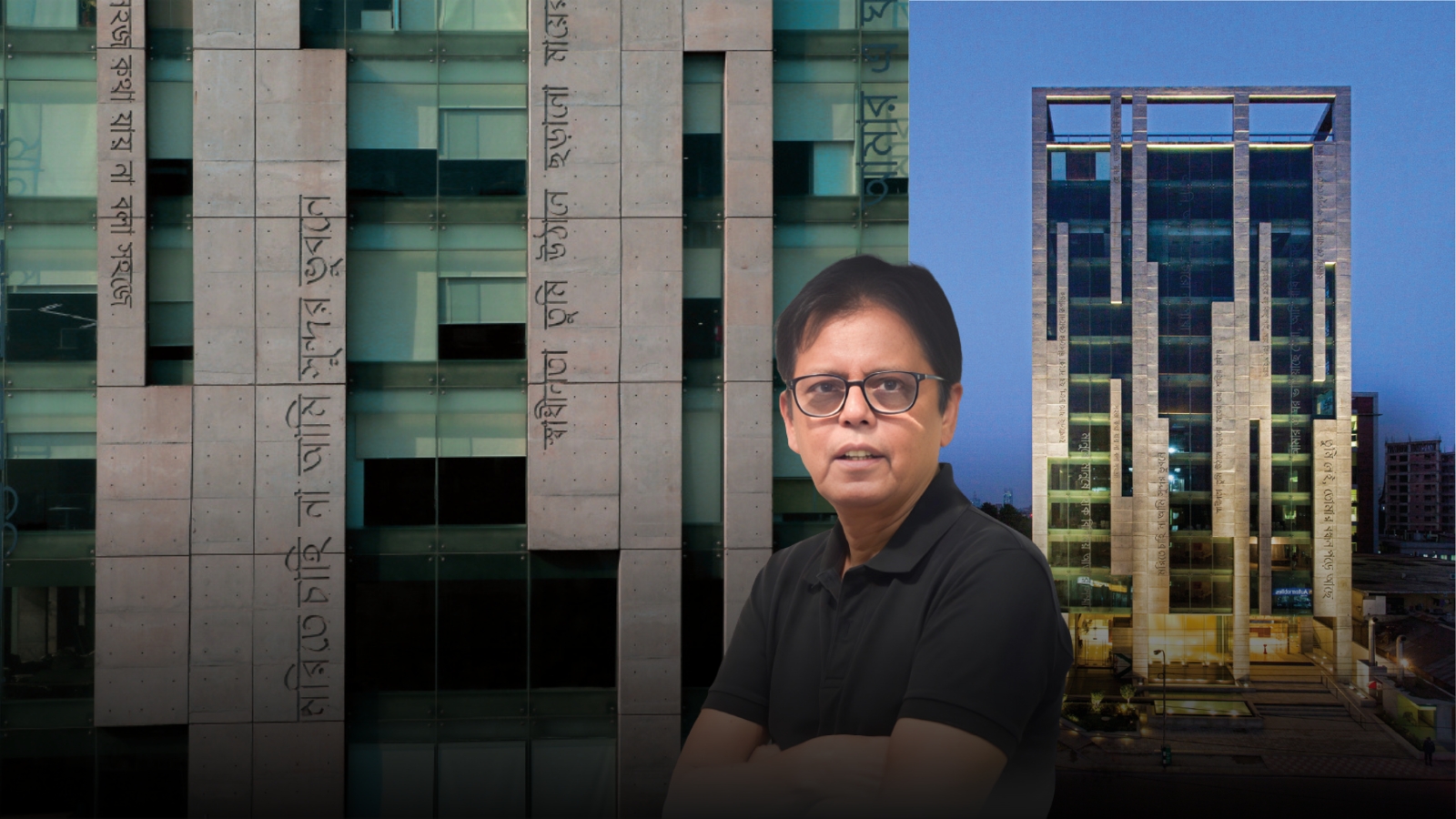
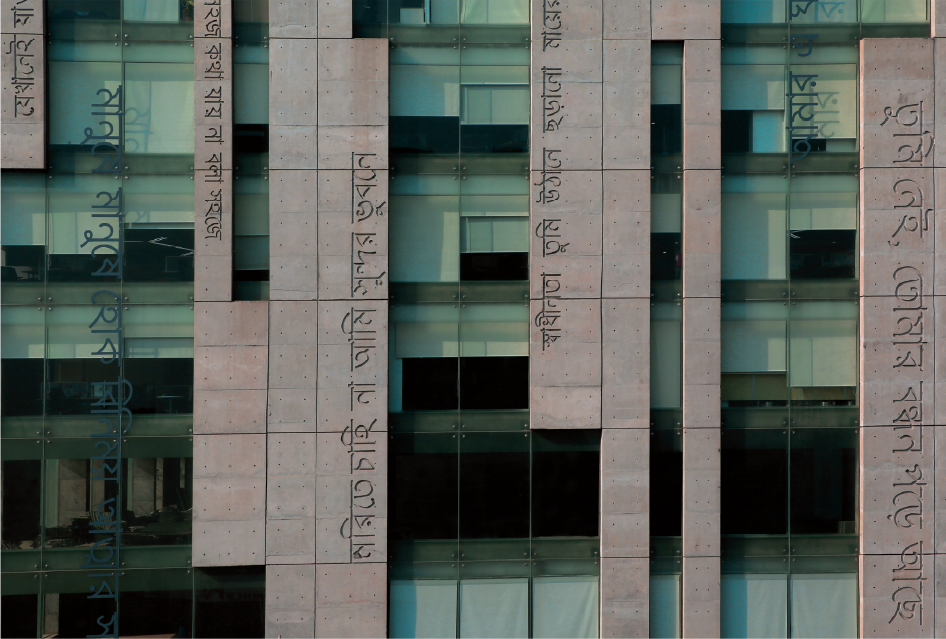
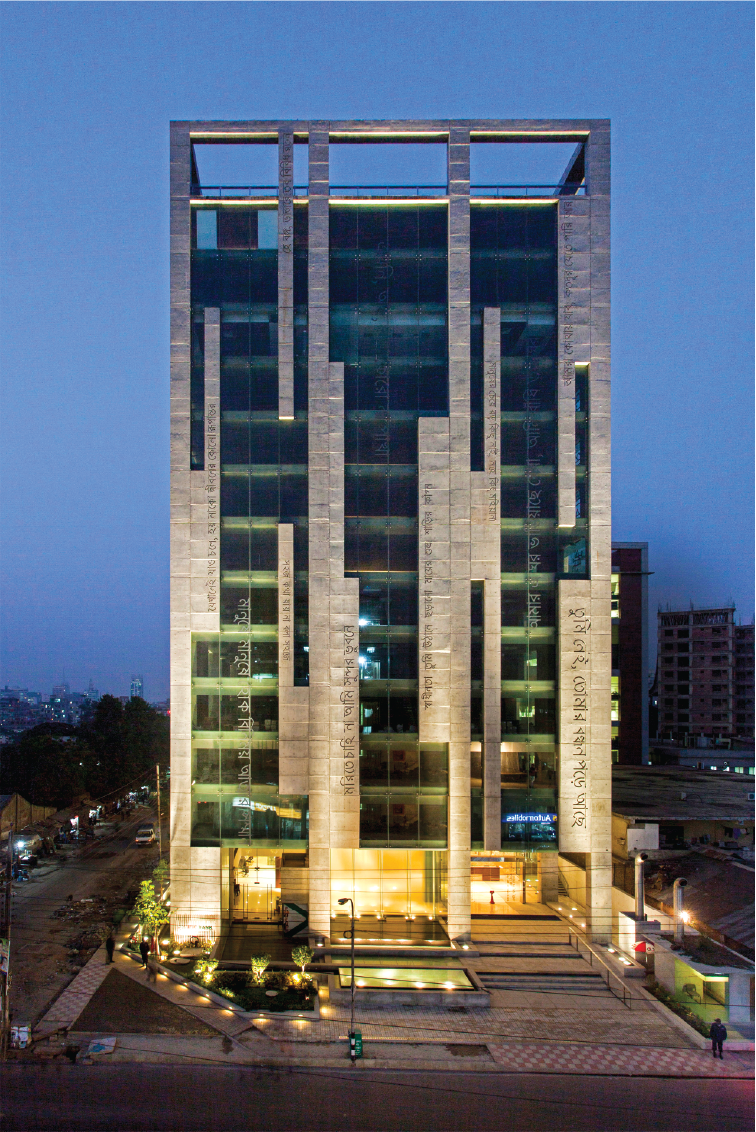
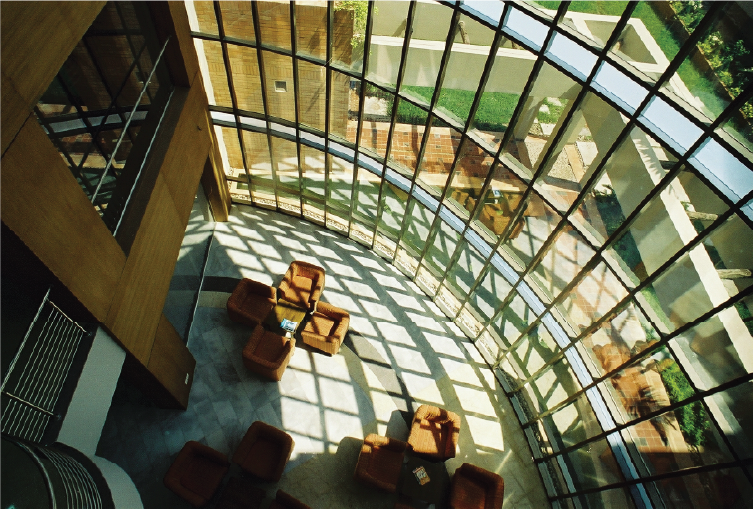
Over time, his practice grew into SYSTEM architects, where he became founder and principal architect. The studio engaged in commercial, residential, industrial, and institutional design, always centred on humanity and culture. He received the AYA JK Architect of the Year Award in 2005 for the British American Tobacco headquarters, and the Berger Excellence in Architecture Award in 2013 for NinaKABBO.His continued contribution to architecture earned him one of the region’s highest distinctions—the ARCASIA Gold Medal—further affirming his position as a major voice in South Asian architecture.
He frequently asked clients where their “space for madness” was, insisting that every home must include a corner where one can be unguarded and honest.
Cinema: A Parallel Creative Universe
Before entering fiction cinema, he experimented with documentaries such as Tini: The Architect, The Shadow Gap, 1:3 Manush, Koyta, and Asche. These films were creative exercises that sharpened his understanding of visual storytelling. In 2007, he directed AHA!, his first feature film. It won the National Award for Best Director, along with awards for cinematography, playback singing, and editing. His cinematic arrival was unconventional but inevitable, rooted in decades of observing human behavior and space.
EKNC: Collaboration as a Social Movement
To strengthen the spirit of ISR and build collaborative bridges across professions, he founded EKNC—Enamul Karim Nirjhar Collaborations. EKNC brings together individuals from architecture, cinema, music, photography, writing, engineering, and other fields to create thoughtful solutions to social and creative challenges. The platform focuses on mentorship, interdisciplinary innovation, and an ethos of paying forward to the nation. In recent years, EKNC has grown into a vibrant creative network supporting emerging talent and socially conscious cultural initiatives.
A Life of Many Incarnations, United by Curiosity
The journey of Enamul Karim Nirjhar has never been linear. It has moved from the war trenches of Dinajpur to the studios of Dhaka, from poems in newspapers to restaurant interiors, from documentaries to award-winning cinema, from architectural experiments to national cultural projects. He has been an architect, filmmaker, photographer, writer, art organizer, mentor, and activist. All these identities coexist within him, shaped by curiosity, memory, and the pursuit of freedom.
The boy who once lay in a trench during a revolution never stopped asking questions. He only learned to ask them more deeply, more passionately, and more beautifully.
Photo: N.K. Moortaza | Hasan Saifuddin Chandan | Enamul Karim Nirjhar | Maruf Raihan