As architects cross borders, they carry more than drawings and commissions—they bring with them ways of seeing. In Dhaka, during the IAB Arch Summit 2025, a group of international practitioners from Asia, Europe, and beyond found themselves in dialogue with the city’s restless energy. What emerged was a shared lens: architecture as a response to climate, material, and craft.
Their reflections on Bangladesh—where questions of heat, durability, and human scale resurface with urgency—offer a rare vantage point into how global practices interpret local realities. In this special two-part series, Shaping Bangladesh Magazine, now rebranded with a widened scope and ambition, presents conversations with four of these architects. Each story will feature two voices, weaving perspectives that highlight how Bangladesh is seen, studied, and reimagined through international eyes.
In the first story of the series, we feature Chilean architect Roberto Bannura and South Korean architect Minsuk Cho.
Ar. Roberto Bannura
The Global Partner with a Local Pulse
A Chilean-born architect with over 28 years of international experience, Roberto Bannura has spent 16 years in Beijing with Steven Holl Architects, serving as director and partner. Over nearly two decades, he has overseen some of the world’s most iconic landmark projects, from the Sliced Porosity Block in Chengdu to the iCarbonX headquarters in Shenzhen.
Yet, despite this high-profile portfolio, Bannura speaks less about spectacle and more about tradition, continuity, and human connection.
Reflecting on his visit to Bangladesh, Bannura was particularly struck by the works of Mazharul Islam. He observed how modernist traditions are thoughtfully passed from generation to generation, with local architects reinterpreting rich cultural histories in contemporary ways. Rather than replicating the past, Bangladeshi architects draw from traditional forms, materials, and spatial concepts to shape a distinctly modern architectural language. “They’re not copying, but building on tradition,” Bannura notes.

He emphasises that architecture must evolve with new technologies and materials while honouring its precedents. For Bannura, collaboration lies at the heart of both design and human connection. “You need to embed yourself with good collaborators—people who share your vision. International collaboration is key,” he explains. He sees immense potential in Bangladeshi architecture, praising its proud architectural lineage and urging the global community to recognise its value.
During his tour across South Asia—with Bangladesh as his first stop—Bannura also reflected on architectural influences beyond the region. He expressed particular admiration for contemporary Portuguese architecture, especially the work of Aires Mateus, which he described as understated yet deeply social. “It’s not flamboyant, but deeply tasteful,” he noted.
For Bannura, meaningful architecture ultimately lies in its sensitivity to context and its ability to shape human experience.
Ar. Minsuk Cho
The Architect of the “Mass”
If architecture is a game of Go, Minsuk Cho is one of its most strategic players.
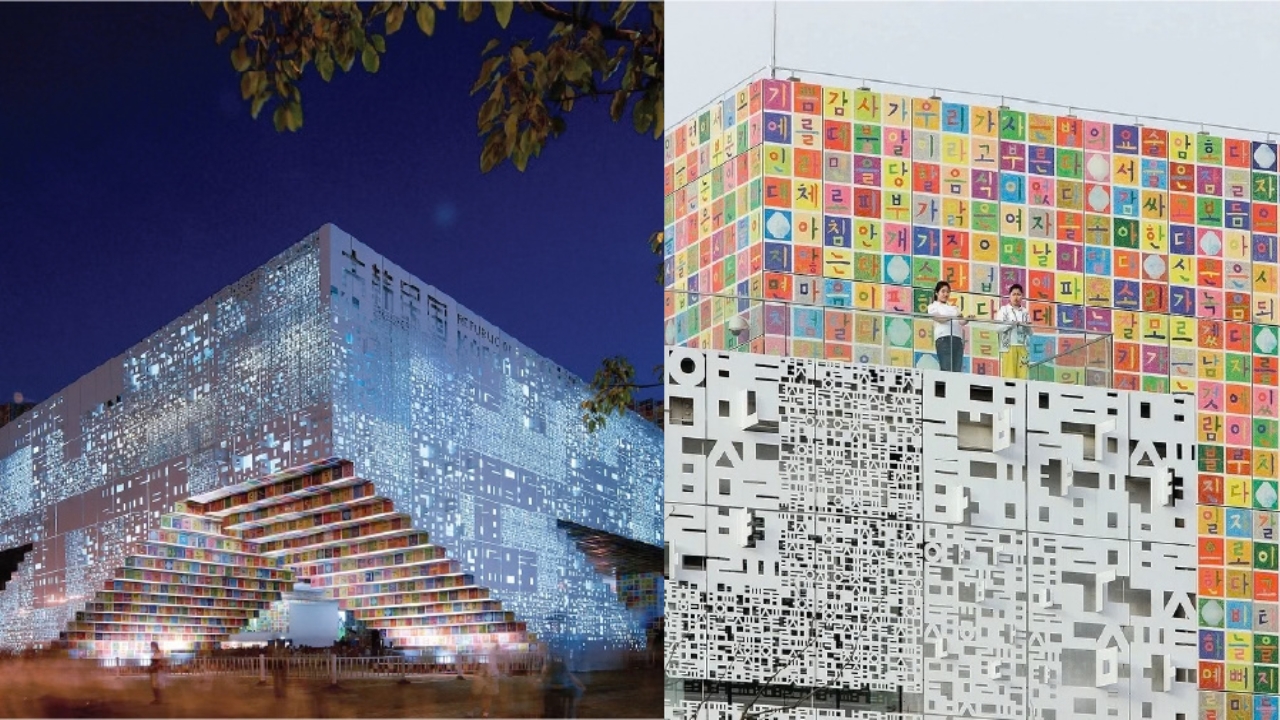
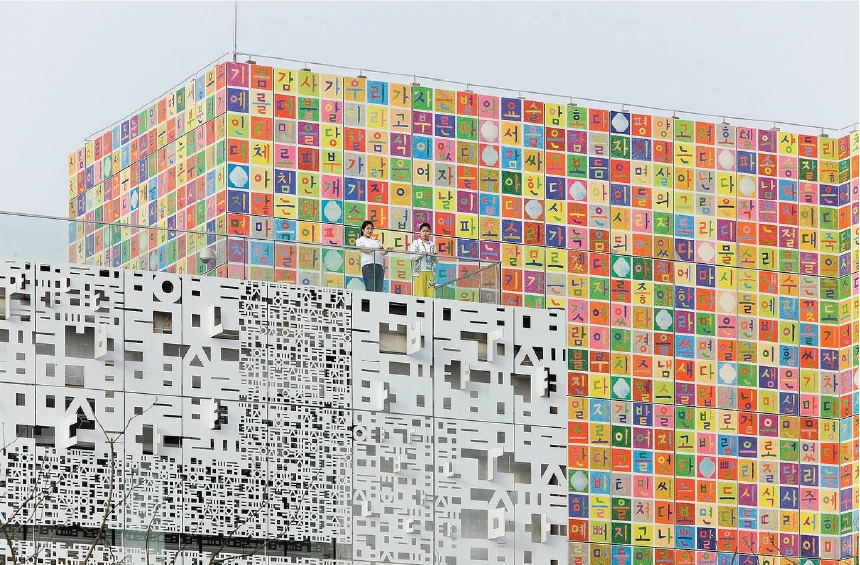
Since founding the Seoul-based firm Mass Studies in 2003, Cho has navigated the “frictions” of the 21st century: past versus future, local versus global, and individual versus collective. His expertise in “social machines” and urban density led to his selection for the prestigious 2024 Serpentine Pavilion commission.
Reflecting on the rapid growth of Seoul and Dhaka, he emphasised the importance of finding a city’s own path. While past development in Korea was highly technocratic, Bangladesh has the opportunity to learn from those experiences. He highlighted the role of nature, especially water management, noting that thoughtful integration can create opportunities often missed in other rapidly growing cities.
Reflecting on his visit to Bangladesh, Bannura was particularly struck by the works of Mazharul Islam. He observed how modernist traditions are thoughtfully passed from generation to generation, with local architects reinterpreting rich cultural histories in contemporary ways. Rather than replicating the past, Bangladeshi architects draw from traditional forms, materials, and spatial concepts to shape a distinctly modern architectural language. “They’re not copying, but building on tradition,” Bannura notes.
Visiting Bangladesh—a destination long on his bucket list—he was struck by an unexpected observation. Despite the country’s strong Muslim traditions, he found gender balance in professional and public spaces remarkably progressive, highlighting Marina Tabassum as a notable example.
Encountering the works of Louis Kahn and Mazharul Islam, he wondered why so few outside the region recognise Bangladesh’s rich and compelling architectural legacy.


For Cho, sustainability is a creative catalyst, not a limitation. He believes architects can transform environmental constraints into richer design, and extends the idea beyond energy and carbon to social sustainability, considering the well-being of all living beings within our shared ecosystem.
As both a practising architect and a teacher, Cho sees the two as inseparable. He views the constant evolution of the world as an opportunity to explore new ideas, tools, and perspectives, while staying grounded in fundamental architectural values.
The name of his studio, Mass Studies, reflects exactly that—an enduring commitment to continuous learning and discovery in both practice and pedagogy.
To the next generation, his advice is simple yet profound: avoid the easy or lucrative path. Instead, identify your own cause. Architecture is a demanding journey, but when you engage with what truly matters, the work transcends a profession and becomes a calling.