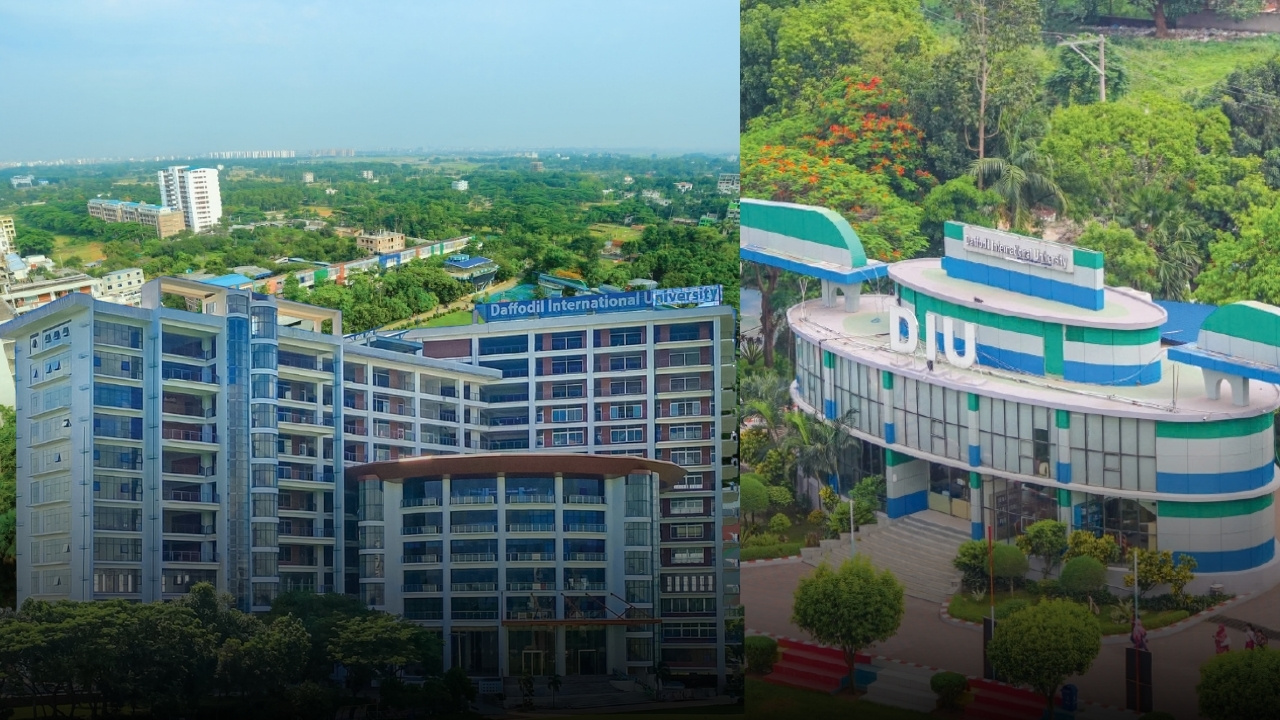
What does it take to build a city of the future—one that blends education, technology, and sustainability? As cities worldwide grapple with the challenges of rapid urbanization, climate change, and shifting educational needs, Bangladesh is charting its own path with a bold experiment: Daffodil Smart City.
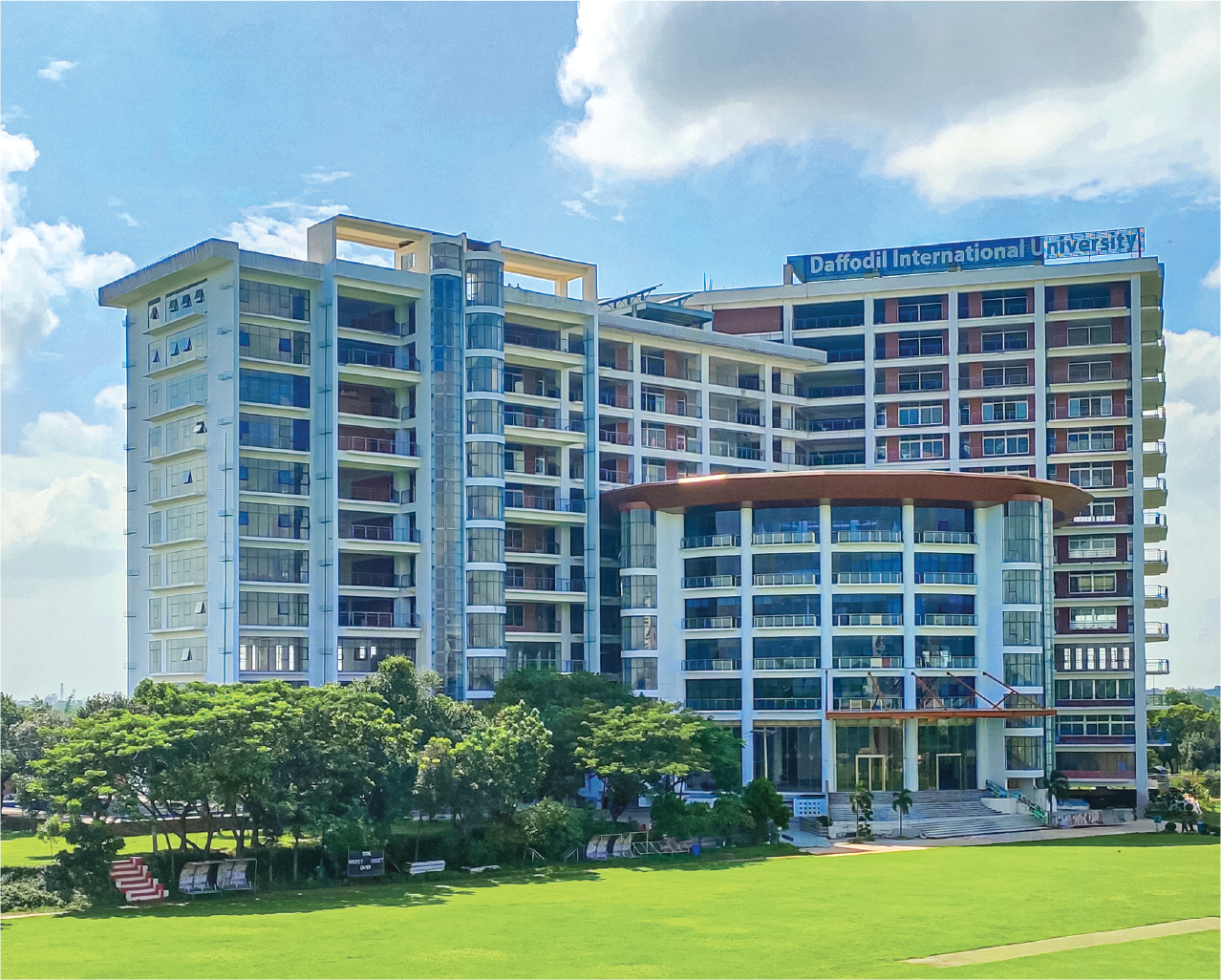
More than just an academic hub, it has been envisioned as a model for future-ready living, where knowledge, technology, and sustainability converge. An edifice of architectural brilliance, it is built to ignite innovation and create a timeless legacy far beyond its borders.
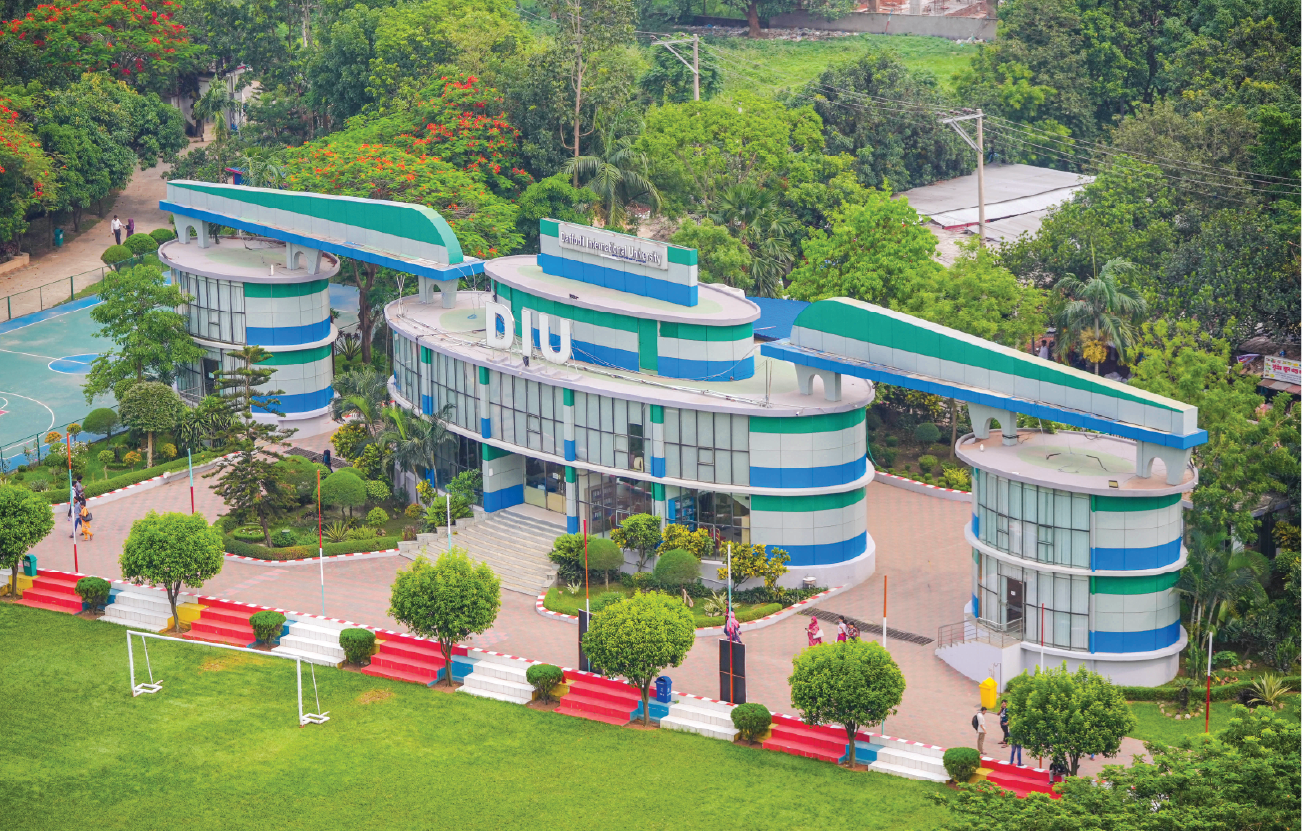
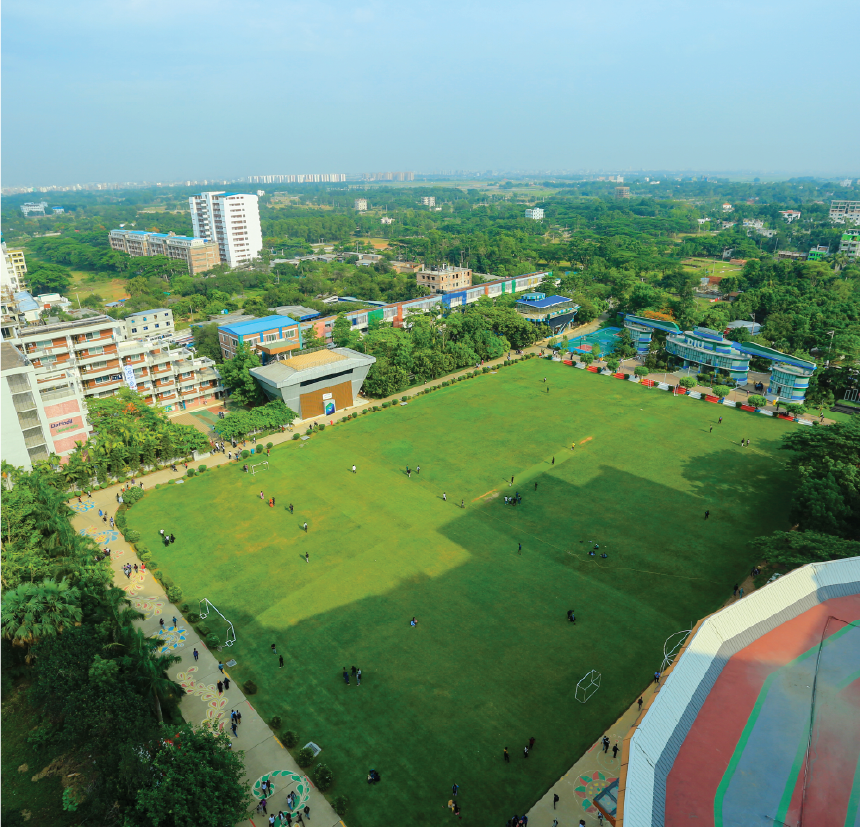
Daffodil Smart City (DSC), in Birulia, Savar, is a vibrant oasis where modernity meets nature in perfect harmony. Nestled amidst lush greenery, this 150-acre urban haven is home to Daffodil International University (DIU), the largest private university campus in Bangladesh.
To gain more insights into DSC, we sat down with Dr. Md. Sabur Khan, the Founder & Chairman of Daffodil International University and Chairman of the Association of Private Universities of Bangladesh (APUB). An educator and visionary leader, he is one of the genius minds behind this project. Starting with the Daffodil Institute of IT in 1997, he built DIU into a leading private university, recognized for sustainability, global collaborations, and academic excellence.
In this conversation, Dr. Khan shares the philosophy, planning, and potential of DSC—a project that reflects his vision to reshape higher education and community development.
Foundational Philosophy and Vision
Daffodil Smart City (DSC) is conceived as a living laboratory for the future—an ecosystem where education, technology, entrepreneurship, and sustainability converge to shape responsible global citizens. Our philosophy is rooted in the belief that human capital is the most powerful driver of national progress. Designed on the principles of green infrastructure, digital integration, circular economy, and community well-being, it is not just a campus but a self-sustaining knowledge city that fuels research, innovation, and enterprise.
Our vision is to create a replicable model for smart, inclusive urban development—where youth are empowered with skills, values, and opportunities to address local challenges and compete globally. We see DSC as a catalyst for socio-economic transformation, inviting global partnerships and investments to amplify its impact across Bangladesh and beyond.
Why Birulia, Savar Was Chosen
Birulia was strategically selected for DSC to balance academic excellence, community upliftment, and sustainable urban decentralization. Situated close to Dhaka yet free from its congestion, it offers the ideal environment for a world-class academic hub: quiet, green, and conducive to learning and research.
This location reduces over-reliance on city-centric services by creating a self-sufficient ecosystem that integrates education, healthcare, entrepreneurship, and digital infrastructure within one sustainable community.
The area’s potential for local economic development is significant—through job creation, business growth, and the inclusion of local suppliers and workforce in campus operations. It also fosters cultural integration by engaging with the community through social programmes, health services, and capacity-building initiatives.
Integrated Planning Philosophy
At the heart of DSC is our people-centered design. It’s all about ensuring equity for everyone, boosting quality of life, and making housing, healthcare, and lifelong learning accessible to all residents, regardless of background.
We are a knowledge hub with top academic institutions, research centres, and industry partnerships driving skills, startups, and tech transfer. Sustainability focuses on low-carbon energy, green buildings, circular waste, and climate-resilient designs suited to Bangladesh. Digital connectivity brings high-speed broadband, IoT, e-governance, telehealth, and universal online education.
Our inclusive economy boosts local jobs, entrepreneurship, vocational training, and women’s empowerment. Smart mobility offers low-emission, multimodal transport with last-mile efficiency. Public-private-civic partnerships blend financing for long-term viability. Finally, cultural vitality preserves heritage, promotes arts, and fosters social cohesion.
Architecture Supporting Holistic Life
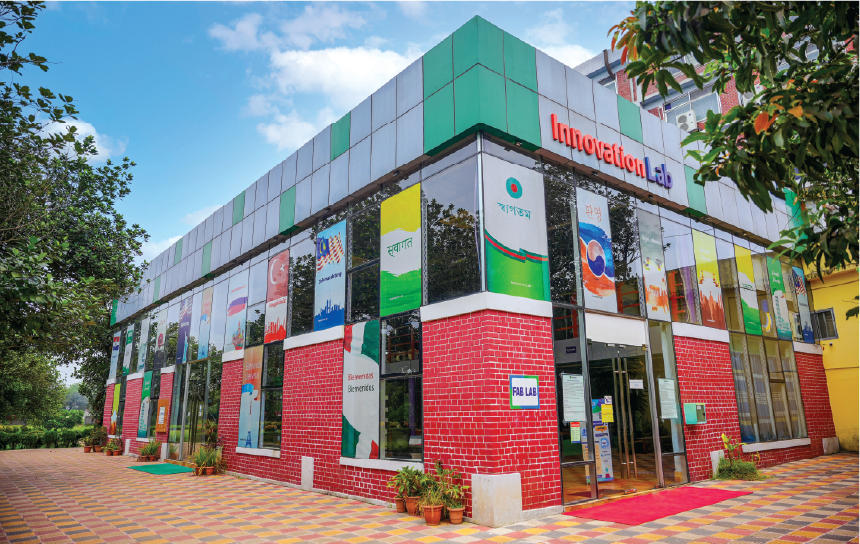
DSC is designed around community-centric principles to foster a balanced and future-ready lifestyle. Academic blocks lie at the heart, surrounded by student residences, libraries, innovation labs, recreational hubs, and sports facilities.
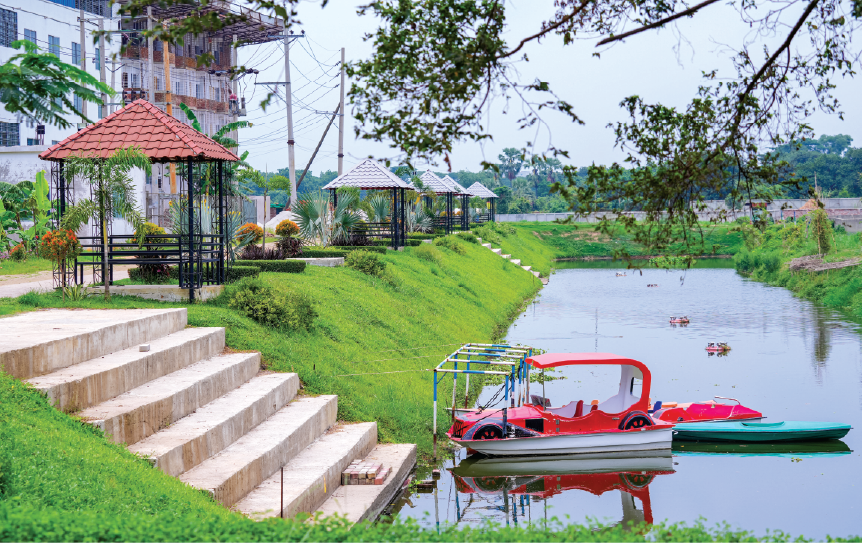
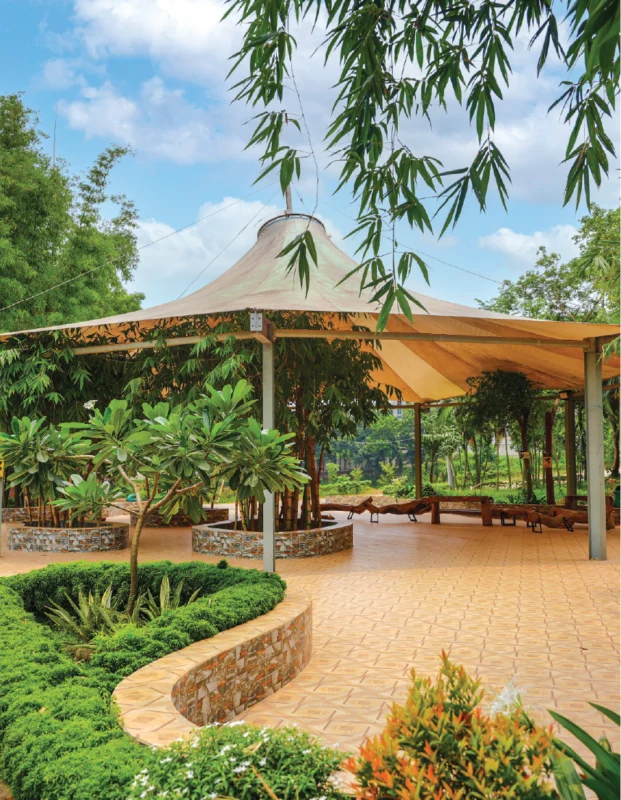
Walkable green corridors and open-air social zones encourage seamless interaction among students, educators, professionals, and residents. State-of-the-art sports complexes promote physical well-being and teamwork, reinforcing the city’s commitment to holistic development.
Global Inspirations with Local Adaptation
We were inspired by Stanford University’s tech ecosystem, Singapore’s sustainable urban models, and Malaysia’s Cyberjaya smart city concept. However, we adapted these ideas for our climate, economic realities, and socio-cultural values, ensuring local relevance with global standards.
Stakeholder Collaboration in Design
We selected professionals with proven experience in green architecture, sustainable infrastructure, and smart campus technologies. The team included Bangladeshi architects and engineers committed to innovation, supported by our internal university experts in civil, electrical, and IT engineering. The criteria were scalability, sustainability, student-centric design, and integration with emerging technologies like IoT and solar energy.
Sustainable Features and Impact
We have implemented solar energy for buildings, rainwater harvesting, waste recycling and composting, vertical gardens, smart lighting and HVAC systems, and organic farming plots for food sustainability.
As a result, we’ve seen a measurable 30% reduction in energy use and significant cost savings. These efforts have placed DIU at the top of the UI GreenMetric global ranking in Bangladesh. A 20% reduction in carbon footprint is a significant achievement for a campus of our scale.
Impact on Learning and Well-being
Natural light, green surroundings, open spaces, and breathable architecture contribute directly to mental well-being and creative thinking. Our community gardens, open libraries, and innovation labs nurture both formal and informal learning. This holistic design has improved student satisfaction and retention rates, while also increasing engagement in research, entrepreneurship, and volunteerism.
Reinforcing Academic Excellence and Global Leadership
DSC represents a visionary leap in integrating education, innovation, and community development within a sustainable and future-ready environment. As a state-of-the-art integrated hub, DSC unites world-class academic institutions, research centers, innovation labs, and residential and recreational facilities, creating a dynamic ecosystem designed to foster collaboration, creativity, and global partnerships.
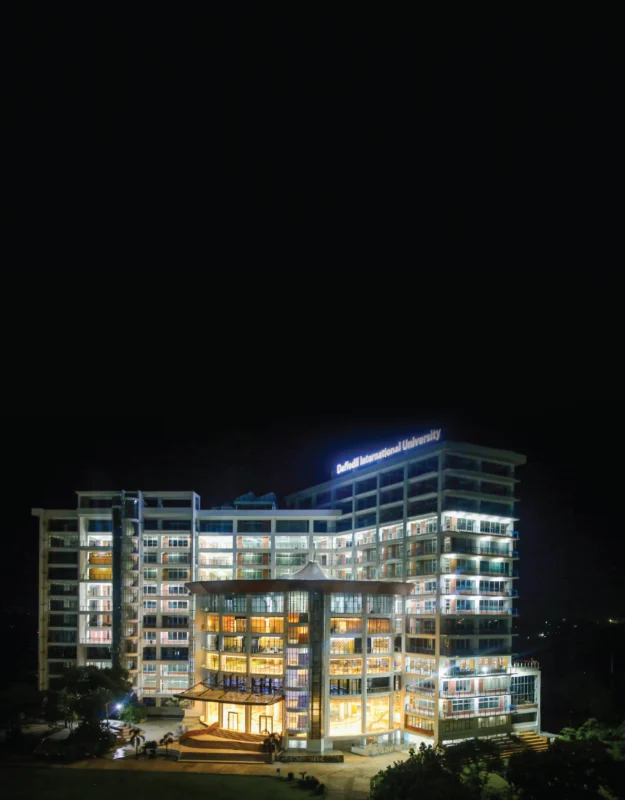
At its core, DSC supports cutting-edge research and development in transformative fields such as Artificial Intelligence, sustainable technologies, and entrepreneurship, aligning with global priorities for innovation-led growth. This comprehensive infrastructure not only elevates the academic and research standards of its resident institutions but also strengthens Bangladesh’s position in the international knowledge economy.
International Collaborations and Global Hub Vision
DSC is envisioned as a vibrant global hub for education, innovation, entrepreneurship, and cross-cultural exchange.
Through strategic partnerships with leading universities, research centers, professional networks, and development agencies, DSC brings world-class expertise to Bangladesh while showcasing local innovations on the global stage.
These collaborations span joint academic programs, faculty and student exchanges, collaborative research, professional development initiatives, and international conferences—preparing graduates with the skills and perspectives to thrive in a rapidly evolving global economy.
Today, DIU hosts students from over 20 countries and maintains more than 500 global MoUs. The Smart City features international dormitories, research partnerships, and joint programs with universities across Europe, Asia, and North America.
Looking ahead, DSC envisions itself as South Asia’s leading education hub, particularly in sustainability, artificial intelligence, and entrepreneurship—driving inclusive growth and innovation through purposeful international engagement.
Replication in Other Regions

The DSC model can indeed be replicated in other regions, but its success depends on three critical factors: policy support, visionary leadership, and strong public-private partnerships. With the right ecosystem, DSC’s integrated approach to sustainability, innovation, and global collaboration could serve as a blueprint for transforming higher education hubs across the country and even internationally.
Message to Policymakers and Planners
We urge policymakers to incentivize green campuses, streamline approval for sustainable designs, fund innovation-based academic infrastructure, and urgently address the policy gap in land use, funding, and green building codes.
Our message is that sustainability is not an option—it’s a necessity. Integrating sustainability from day one in educational infrastructure planning not only benefits the environment but ensures long-term cost efficiency and social return. We need a national policy framework to mandate and incentivize green design in education, backed by innovation funds and cross-sectoral collaboration.
The Legacy We Aim to Leave
We want DSC to inspire the nation and region—a legacy of vision, innovation, and environmental harmony. We hope it becomes a blueprint for future education infrastructure where sustainability meets scale, and where students are molded as ethical, skilled, and forward-thinking citizens.
We envision DSC as a living legacy, a symbol that great ideas can come from Bangladesh and scale globally. A place where students don’t just earn degrees but build dreams, where educators become changemakers, and where planners see what is possible when sustainability meets vision and action.