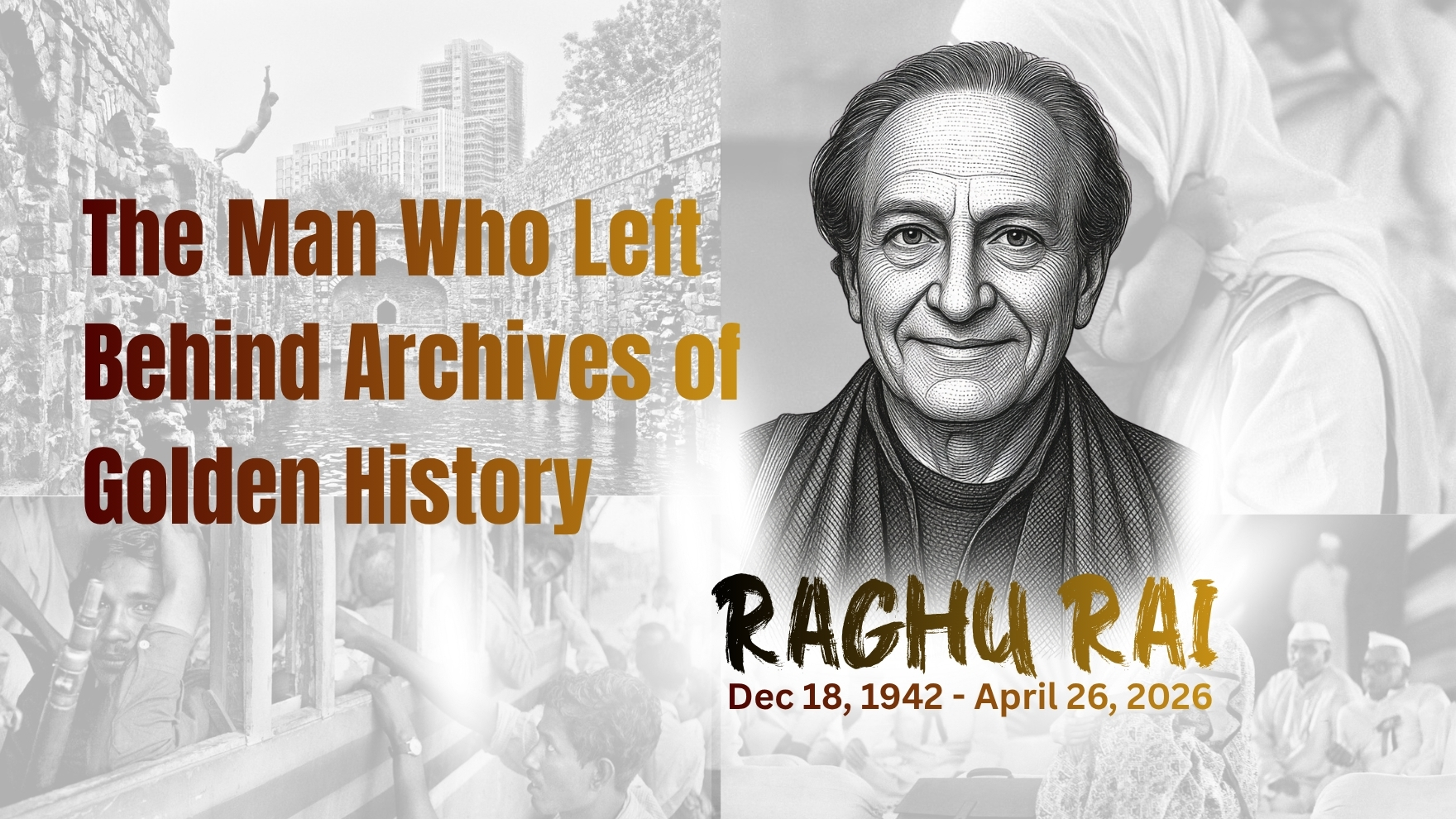
The world has been grieving—much like the skies, as the magician of the lens, Raghu Rai, bids farewell to the world in April 26, 2026, at the age of 83.
Throughout his glorious life, he didn’t just capture images; he provided visual testimonies of history, etched forever in our collective memory.
Born in Jhang (now in present-day Pakistan), Rai’s family migrated to India following the 1947 Partition. This early experience of displacement quietly forged his profound sensitivity toward the human condition, allowing him to capture the grace within everyday life and the resilience of the displaced.
Rai’s lens never hesitated to capture the unfolding realities of his time—whether it was the turbulence of Indian political life, the devastating aftermath of the Bhopal Gas Tragedy, or the haunting human cost of the 1971 Bangladesh Liberation War, where the suffering of refugees came into stark focus through his frames.
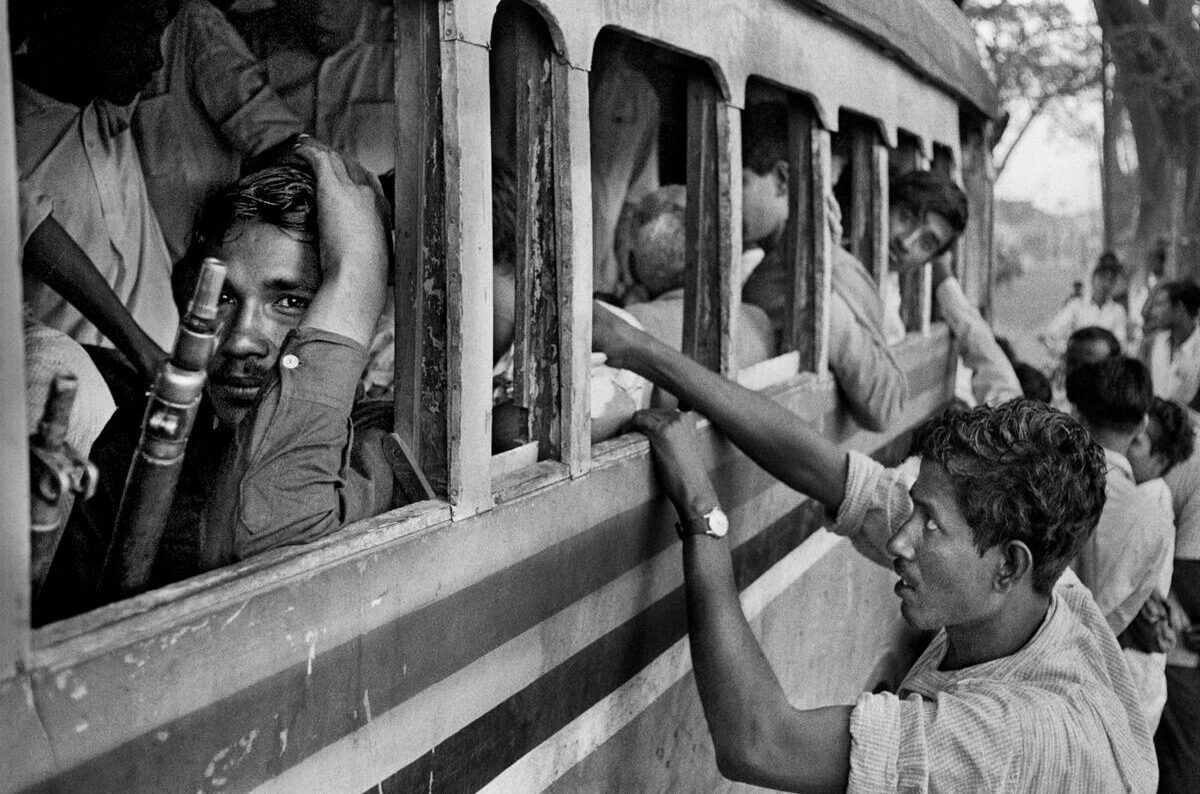
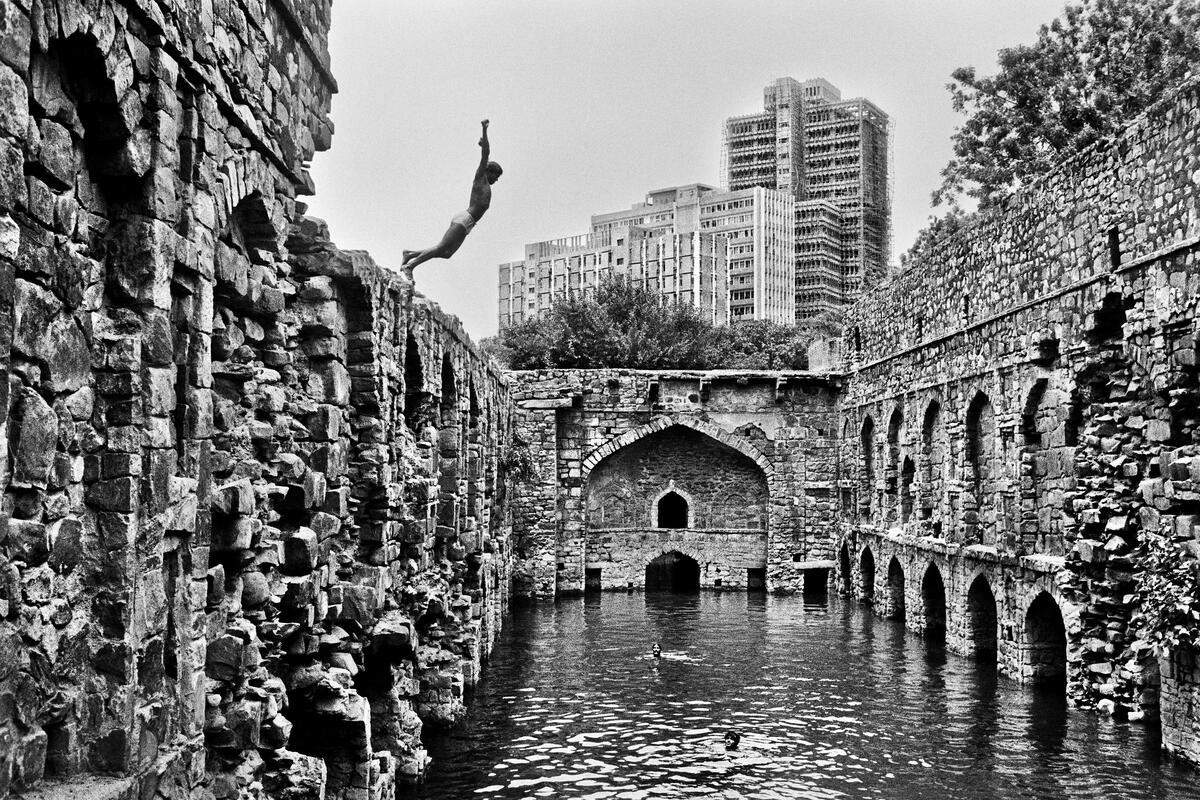
Interestingly, India’s most celebrated photojournalist did not begin his career behind a camera. He initially worked as a civil engineer before discovering photography in the mid-1960s, inspired by his elder brother, S. Paul.
Largely self-taught, Rai quickly developed a distinct visual language rooted in observation, patience, and empathy—qualities that later defined his iconic photojournalistic work.
Through his association with Magnum Photos, the world’s most prestigious photographers’ cooperative, he brought Indian visual narratives to a global audience, influencing generations of photographers to follow.
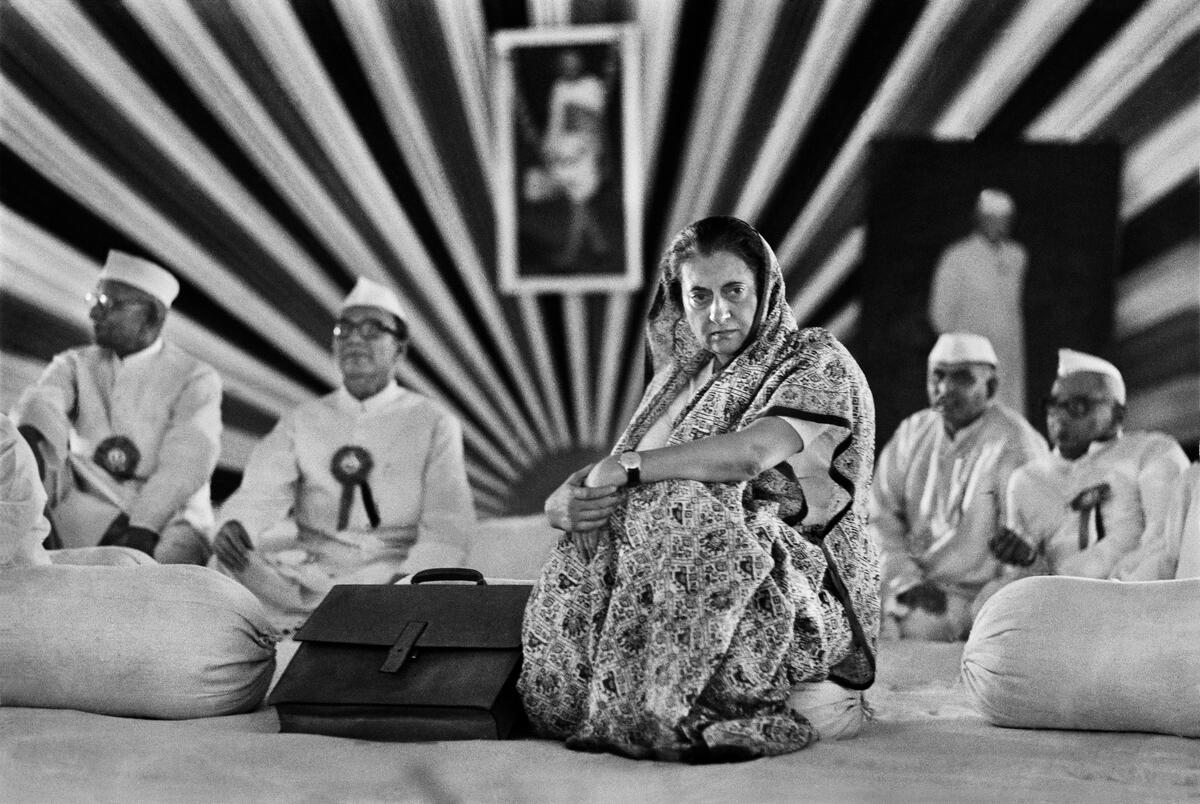
Rai’s choice of monochrome spanning his career was both practical and intentional.
In the frantic era of film rolls and newsprint, black and white was the utilitarian language of speed and truth; yet, in Raghu Rai’s hands, it became high art.
By stripping away colour, he compelled the world to see the essence of a moment—where light, shadow, and deep human emotion took centre stage.
In May 2024, the Zainul Gallery at Dhaka University became a portal to the past as Raghu Rai’s solo exhibition, “Rise of a Nation,” unveiled fifty-three rare frames etched with the soul of 1971.
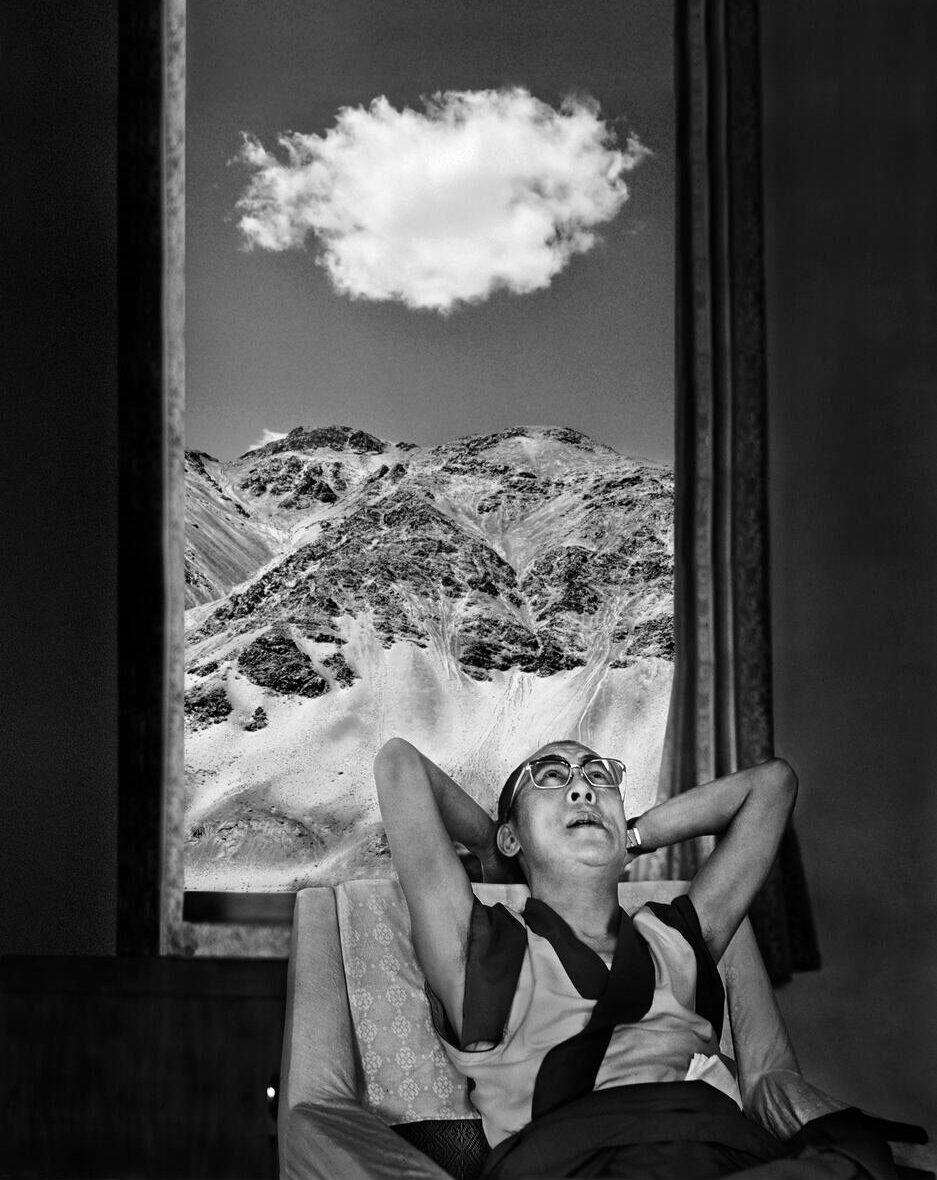
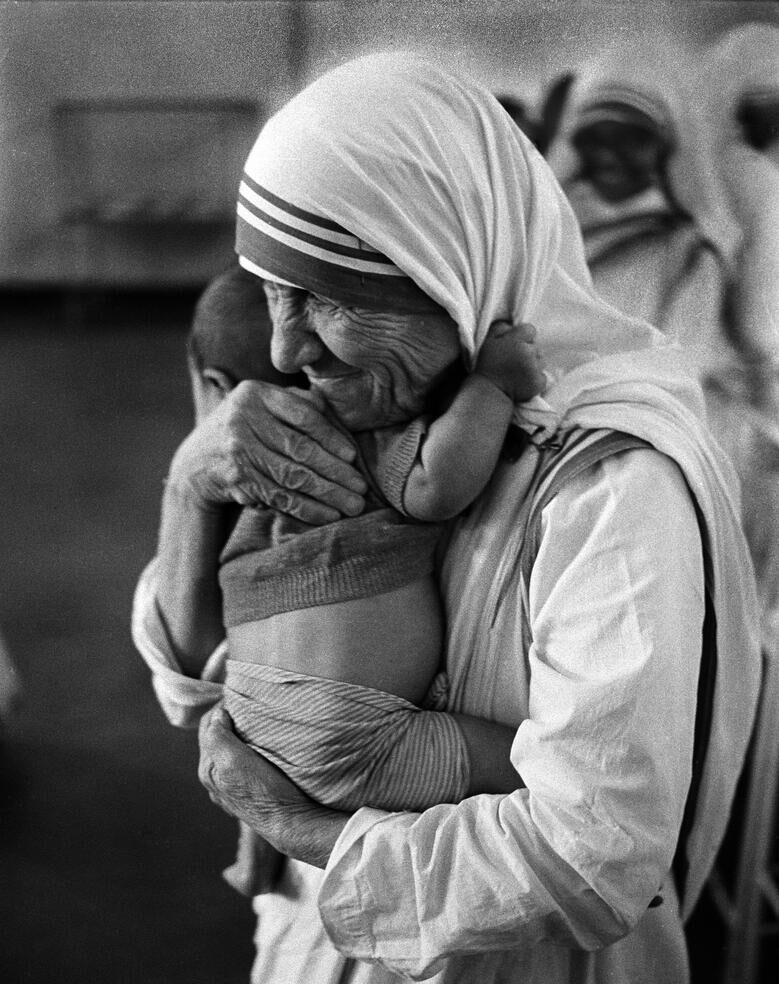
Transcending agendas and boundaries, the show served as a definitive window into his brilliance, offering a masterclass to those previously unaware of the sheer magnitude of his life’s work.
If one ever had the opportunity to visit his exhibitions or see his works up close, they would know it is an experience no simulation can truly evoke. He had a rare gift for turning chaos into composition, finding order and poetry within the restless rhythm of life.
It was often said that moments seemed to present themselves to him, as if life willingly stepped into his frame.