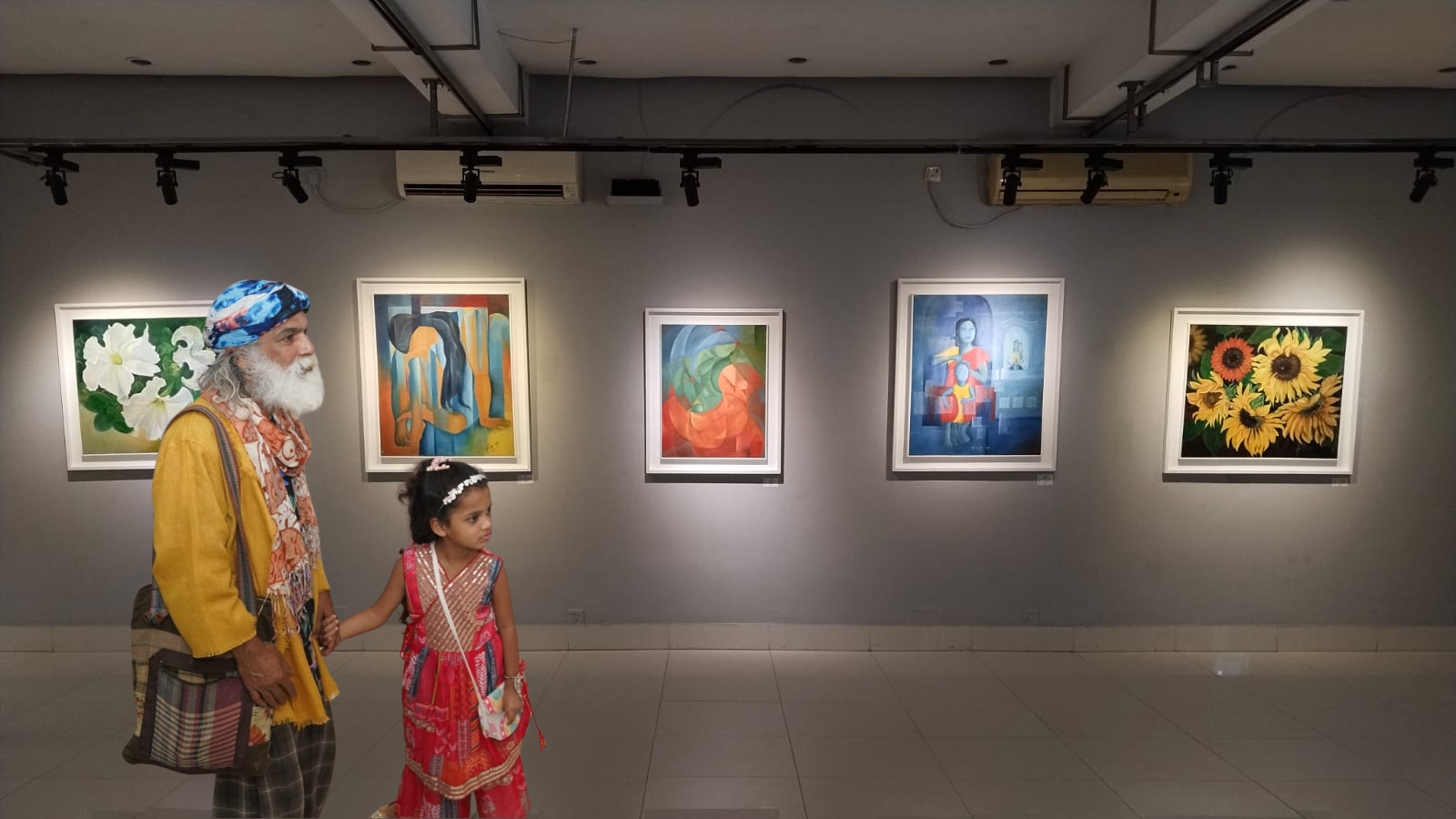
Alliance Française concluded an exhibition on April 22 that presented a rarely encountered curatorial idea—“an exhibition without borders.”
Not borders in the geographical sense, but those that often quietly structure the art world: age, experience, and perceived skill levels.
The exhibition brought together eight contemporary artists across generations including Alamgir Kabir, Bayan Shafique, Farzana Rahman, Mahbuba Begum Oaniya, Tahsin Rahman, Razia Sultana Khan, Tahera Banu Keya, and Zayn Shafique.
The exhibition gently challenged conventional ways of framing artistic identity.
Each artist constructed a distinct visual language—some rooted in lived memory and long-refined practice, others shaped by contemporary urgency and digital-age sensibilities.
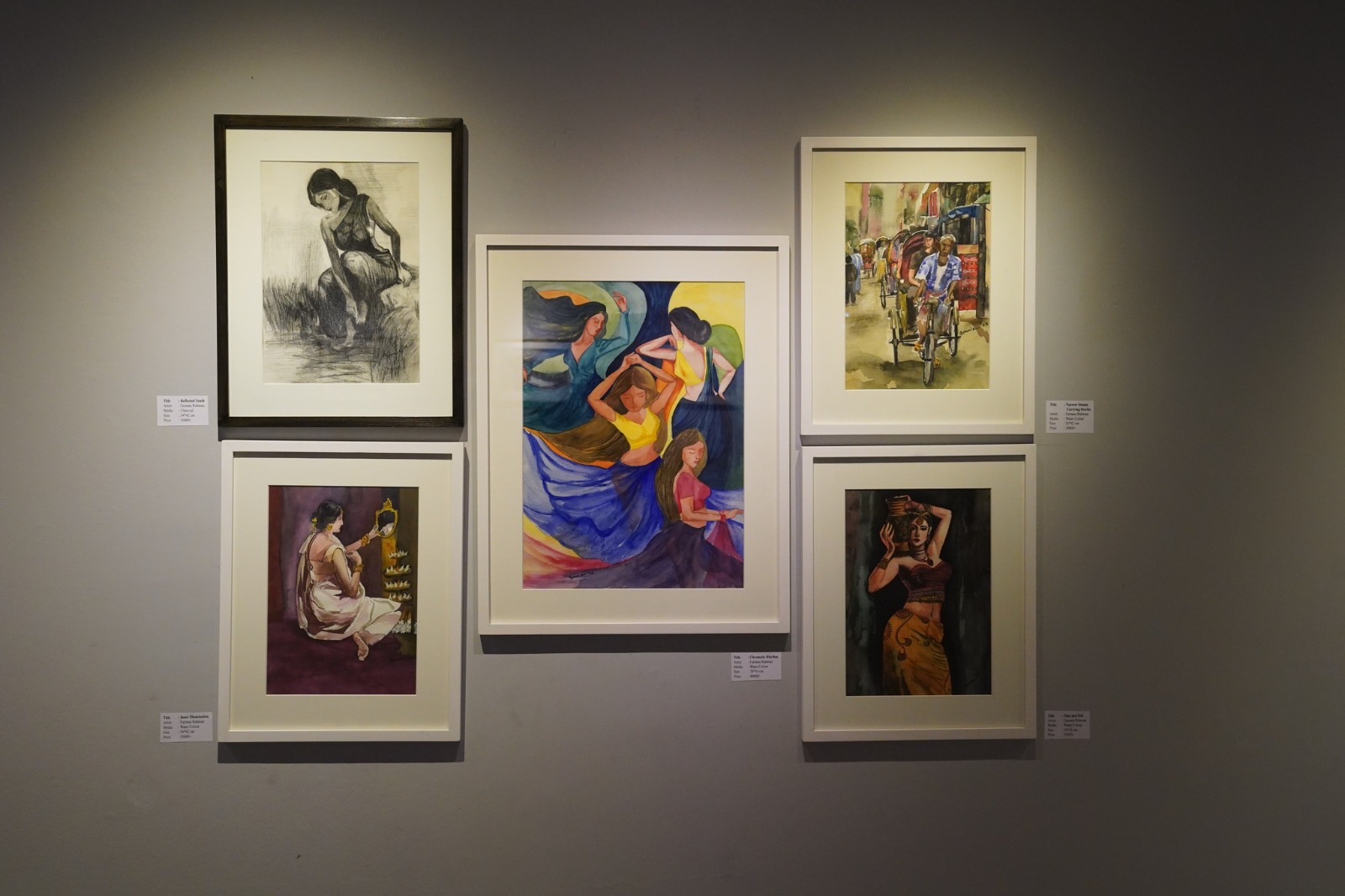
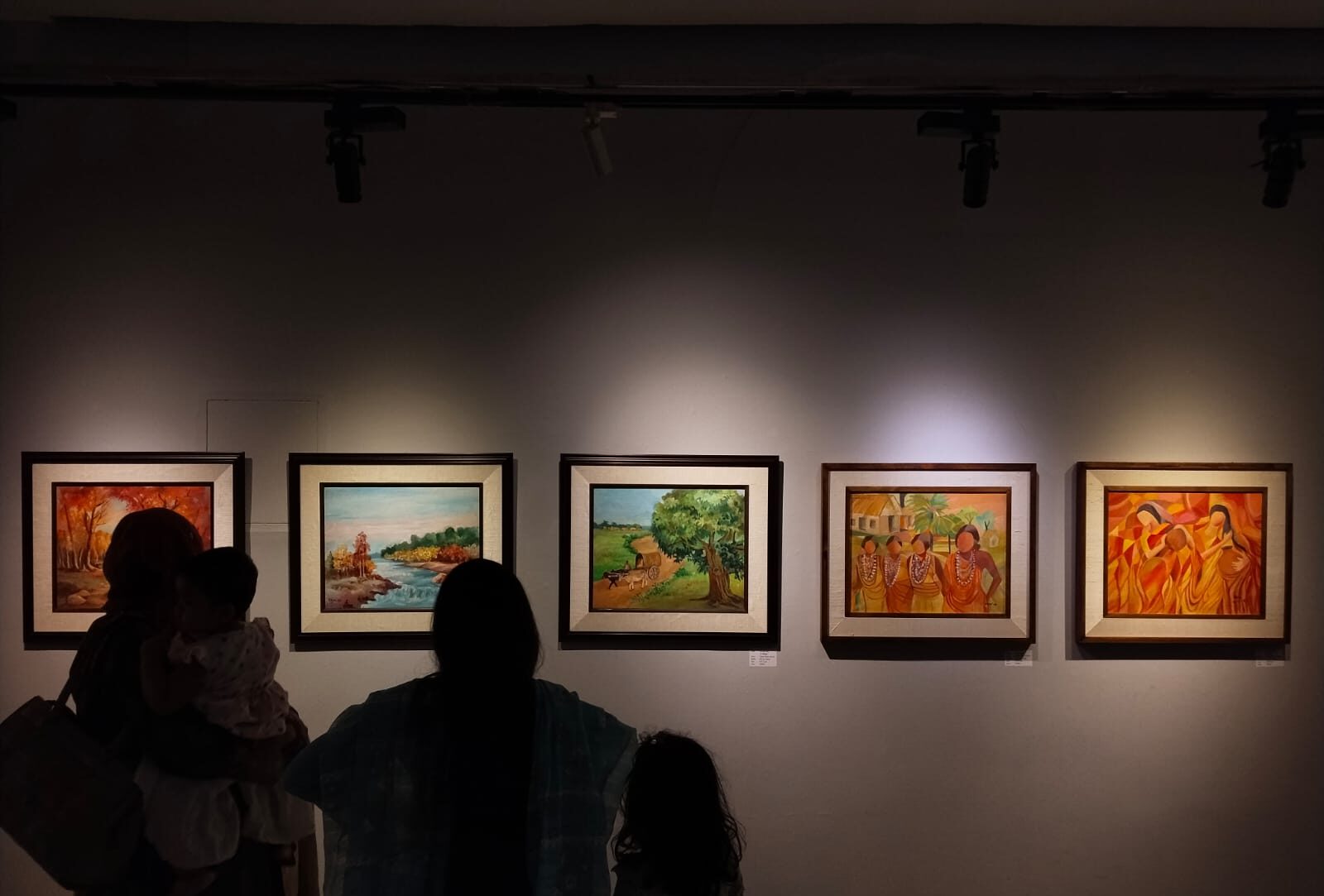
At its core, however, the show becomes a meditation on human perspective, spanning from retired professors to students still navigating their ways through life. In this shared space, the works do not compete for attention; they interact.
Evergreen village sceneries of Bengal unfold in soothing watercolor washes, while Garo women emerge with quiet strength through the density of oil on canvas. Elsewhere, a simple tulip stands rendered in the firmness of acrylic—each medium carrying its own temperament, each subject shaped by a distinct hand.
Interestingly, not all participating artists come from formal fine arts backgrounds. Some are self-taught practitioners who have nurtured their creative passion independently, resulting in the compelling visual narratives displayed across the gallery walls.
The initiative is the brainchild of art instructor Alamgir Kabir, whose dedication to fostering creative growth forms the heartbeat of the project. His effort to provide a platform for such diverse voices reflects a deep commitment to nurturing artistic practice beyond traditional boundaries.
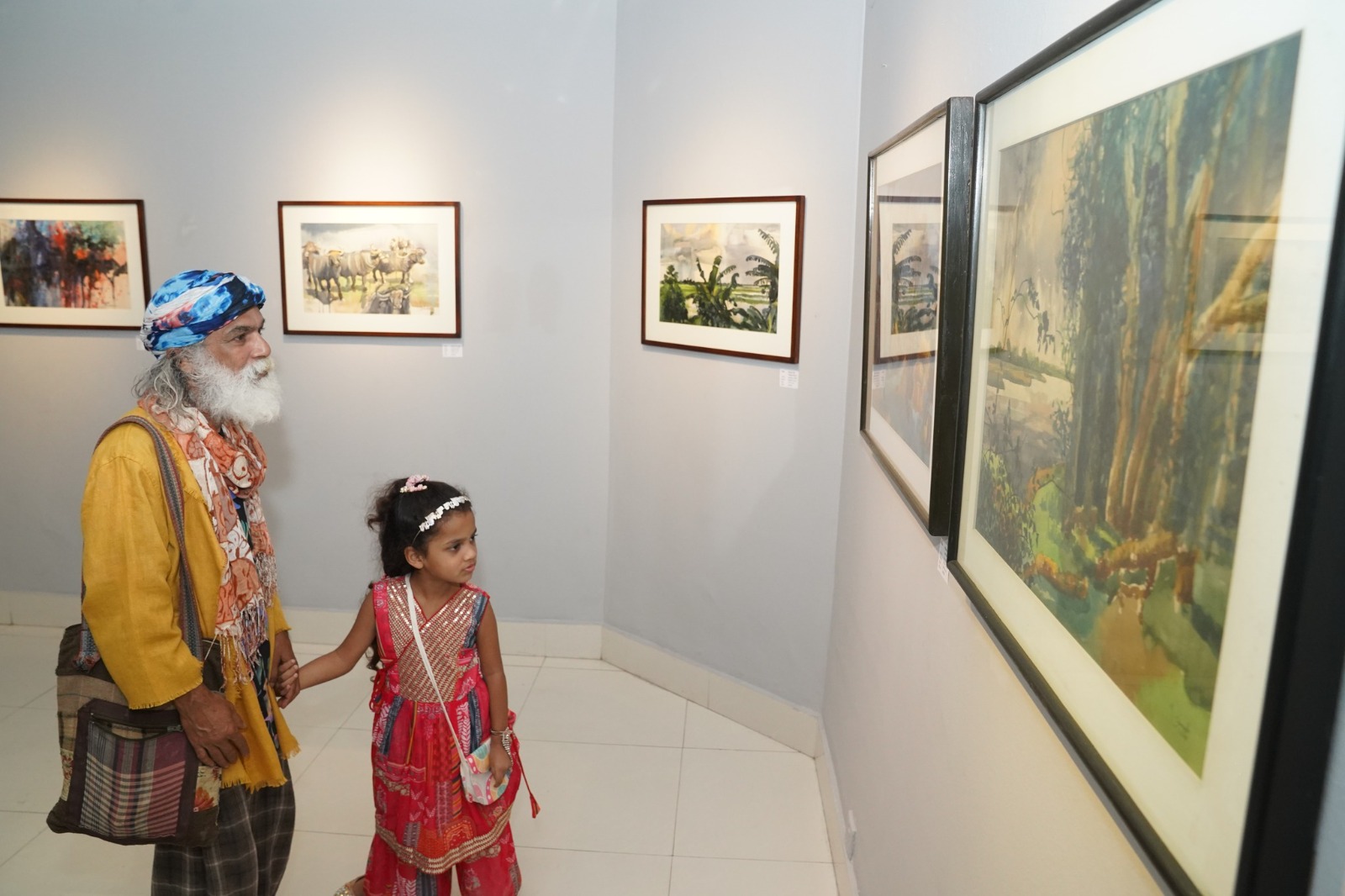
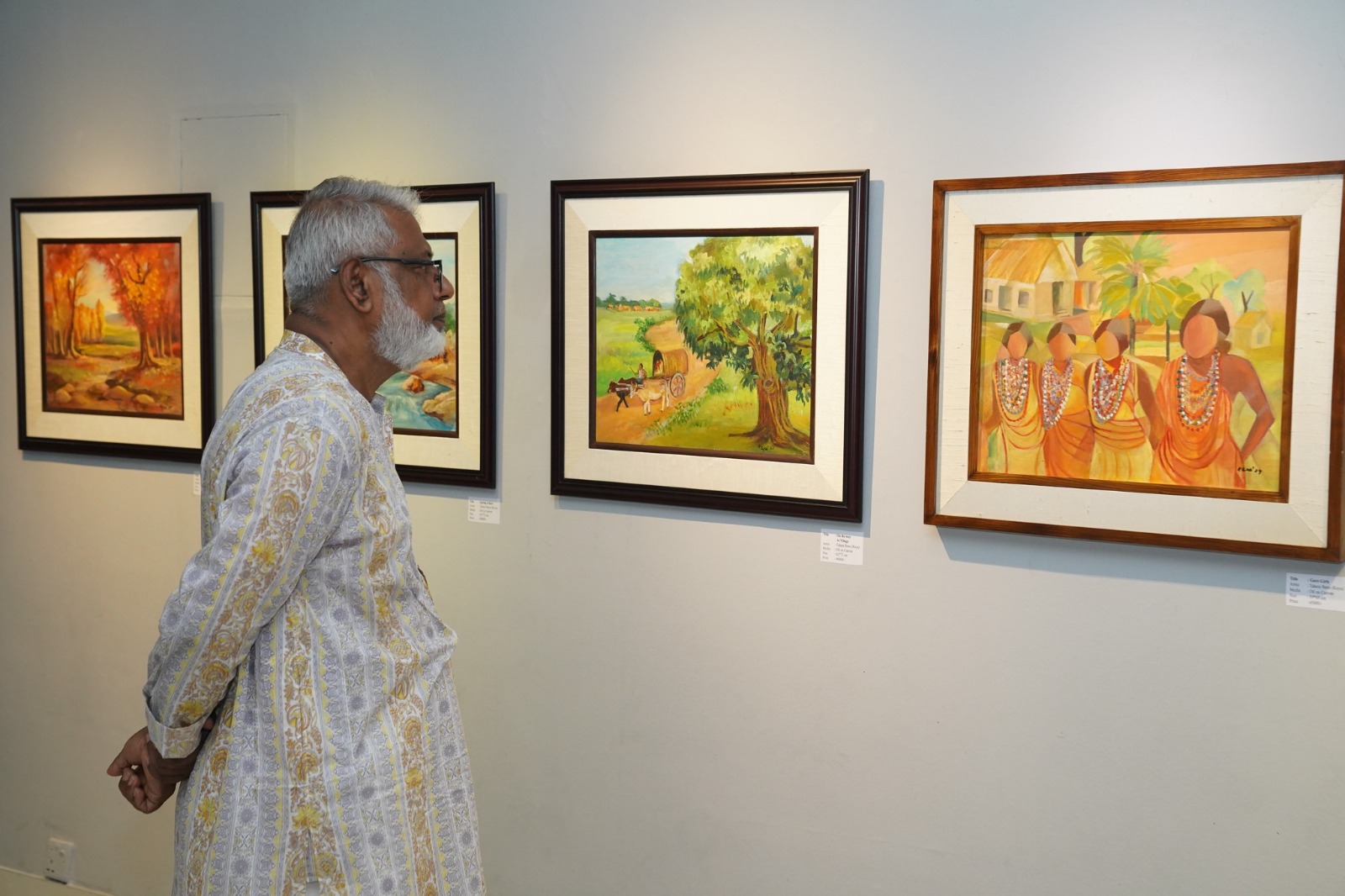
As noted by artist Najma Akther, faculty member at the University of Dhaka, such initiatives are essential for society, as they help cultivate “greater compassion in the world.”
In this fifth edition of “Different Strokes”, the exhibition demonstrates that when borders blur, new horizons of possibility and diversity emerge—reshaping not only how we see art, but also how we understand the people behind it.