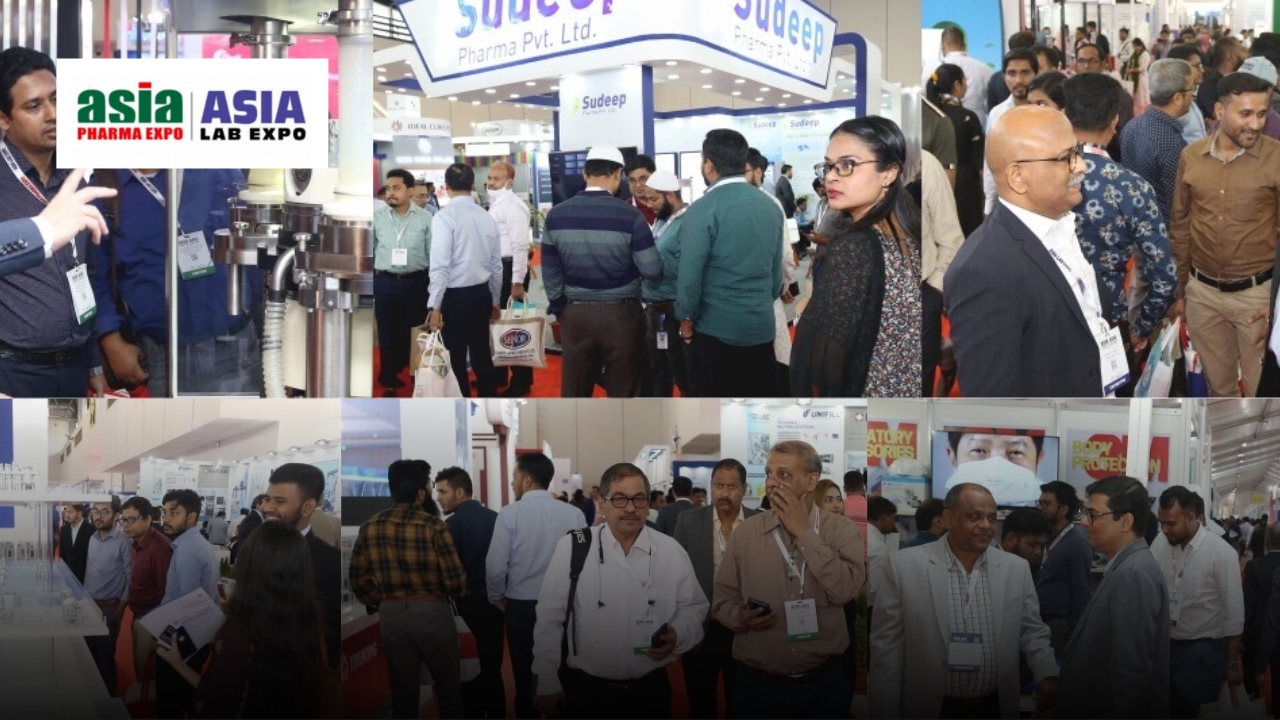
The exhibition, arranged by the Bangladesh Association of Pharmaceutical Industries (BAPI), represents the latest edition of an initiative that has run for 23 years, consistently focusing on fostering innovation, encouraging collaboration, and supporting industrial progress in Bangladesh’s rapidly expanding pharmaceutical sector, a press release said.
Participation is expected from more than 400 companies representing over 20 countries, underlining the event’s global scope.
Exhibitors are set to present technologies spanning pharmaceutical processing and packaging, active pharmaceutical ingredients (APIs) and excipients, laboratory and analytical equipment, cleanroom and HVAC solutions, water management systems, and comprehensive turnkey project services.
Once formally inaugurated, the venue will remain accessible to trade visitors for the entire three-day period. During this time, attendees will be able to explore sourcing options, build professional connections, evaluate new technologies, and identify avenues for business growth.
According to the organisers, the upcoming edition seeks to capitalise on the success of the 2025 expo, which recorded attendance of around 14,500 trade visitors.
They expect the event to further strengthen international participation while also enabling greater technology transfer within Bangladesh’s evolving pharmaceutical manufacturing landscape.
Since being introduced in 2003, the Asia Pharma Expo and Asia Lab Expo have developed into specialised platforms that encompass the entire pharmaceutical manufacturing supply chain.
They have consistently drawn entrepreneurs, researchers, and senior corporate decision-makers interested in developments related to machinery, raw materials, packaging, and laboratory technologies.

The broader context of the exhibition reflects the strong performance of Bangladesh’s pharmaceutical industry, which currently satisfies around 98 percent of local demand.
In addition, the country exports pharmaceutical products to 157 destinations worldwide, including the United States, the United Kingdom, Germany, and Canada.
With an estimated value exceeding $3.5 billion, the sector continues to grow at a steady pace.
Projections indicate that it could surpass $6 billion by 2026, driven by an annual growth rate ranging between 15 and 18 percent, reinforcing its role as a significant pillar of the national economy.